We Were Never Meant to Live Like This


Did you know that if you put 100 black ants and 100 red ants together in a jar, they usually coexist peacefully? But if you shake the jar hard enough, they immediately turn on each other and start killing one another. The red ants begin to see the black ants as enemies, and the black ants begin to see the red ants as enemies.
And yet, the real adversary is not inside the jar.
It is the one shaking it.
The same thing happens in human relationships. Before we turn on each other, before we start blaming, defending, accusing, or disappearing, maybe we should stop and ask ourselves: who is shaking the jar?
I wonder, even when the jar is shaken, and shaken violently, what do people hold on to so they do not turn against each other?
Of course, people hurt each other. That is almost inevitable when emotions, expectations, fear, and love are involved. But maybe what sustains a relationship is not the absence of hurt. Sustenance is defined by the architecture of repair.
Can both people tolerate shame without collapsing into defensiveness? Can they apologize cleanly after everything? Can they remain emotionally truthful? Can they recalibrate, not just for survival, but for mutual flourishing?
Ego exists. Pride exists. Fear exists. It will always be there. But loving someone is also making space for their growth, their reality, and their humanness, without constantly optimizing for your own ego protection.
And then another question appears: are we so influenced by our own people, family members, parents, cousins, friends, that we refuse to call out their wrongs? Do we blindly believe them just because certain characteristics of the other person do not fit into their worldview? Do we let people outside the relationship shake the jar until something beautiful inside it breaks?
Suddenly, everyone starts hiding behind soft, pacifying masks. Everyone talks about healing. Everyone says, “be kind to yourself.” Everyone romanticizes pain after the damage is done.
But were we kind when the jar was being shaken?
Where was the awareness then?
Because when the jar shakes, it is not just anger that comes out. It is confusion. It is the excruciating pain of feeling like you did not do enough, even when you did everything you knew how to do. It is self-blame. It is self-doubt. It is watching your sense of reality rupture in real time.
And then, suddenly, it all becomes about growth.
We are made to believe that growth comes from constantly experiencing more. More travel. More people. More hobbies. More novelty. More things to talk about. More things to post.
The world reinforces this too. We romanticize people who always have something new going on. We admire movement, even when it is avoidance dressed up as freedom.
The problem is not that we have access to many things. The problem is that we are constantly made to believe that something better is always out there. A better person. A better life. A better version of ourselves waiting just beyond commitment.
And maybe that is why committing to someone, or even to something, has become so difficult. Commitment makes people vulnerable. And people are terrified of feeling vulnerable.
At some point in our twenties, we must stop pretending that people are just “confused” all the time.
Effort is intentional.
Avoidance is intentional.
People know what they are doing, and still do it. And when they cannot make a decision, they push it onto others. Because if something goes wrong, they never have to carry the blame.
The unfortunate thing is, some people do not break loudly.
They just turn quiet.
And that silence becomes its own tragedy.
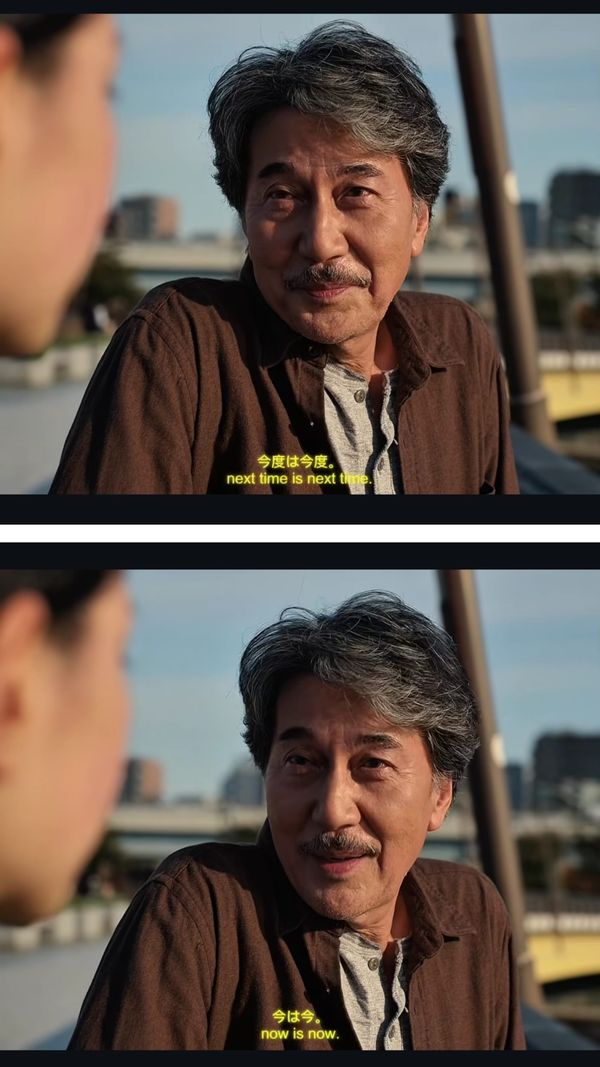
But there is still something deeply beautiful about going back to the same things. About repetition. About choosing again.
Going back to the same person. Going back to a particular place because it reminds you of something. Knowing a few people deeply instead of being known by many people shallowly. Spending time with someone not because they are interesting to talk about or post online, but because you genuinely love them.
We were never meant to live like this, constantly searching, constantly comparing, constantly leaving the moment something asks us to stay and repair.
Maybe love was never meant to be proven by how little it hurts.
Maybe it was meant to be proven by what we do after it does.
By whether we pause before turning on each other.
By whether we recognize who is shaking the jar.
And by whether, even with trembling hands, we still choose not to become enemies inside it.